
Teeth Covering Options: A Complete Guide to Enhancing Your Smile

Dr. Emrah YEŞİLYURT
Dr. Emrah Yeşilyurt is the Founder of Avangart Clinic. He combines advanced dental expertise with a genuine commitment to helping patients feel comfortable and informed about their oral health journey.
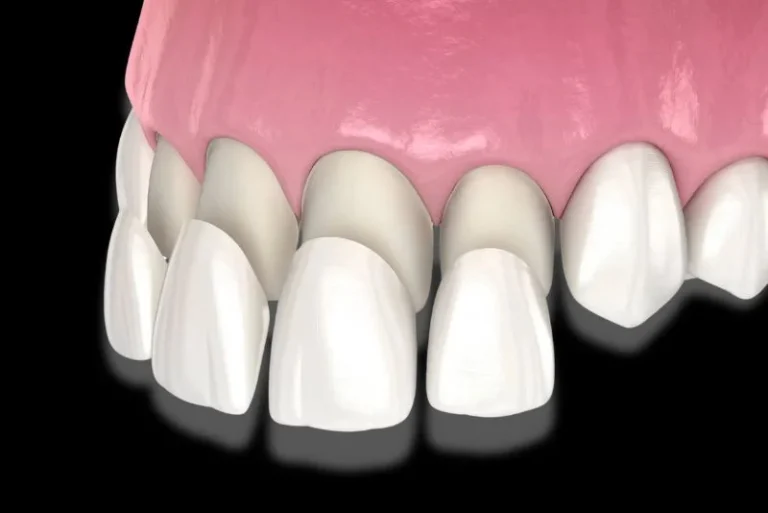
The term teeth covers can mean different things, which is why it often causes confusion. It is not the name of one specific treatment. It is a broad phrase often used to describe a range of cosmetic and restorative options that improve the look of damaged, uneven, or discoloured teeth.
This can mean anything from removable snap-on covers for short-term cosmetic use to permanent tooth covers designed and fitted by a dentist for long-term results. At the more advanced end of treatment, cosmetic teeth covers can include custom porcelain veneers that are shaped to blend with your smile and facial features in a natural way.
The important point is that one solution does not suit every smile. A person with mild staining may need a very different approach from someone with chipped edges, visible gaps, or worn enamel. This guide is here to help you understand the real options clearly, so you can compare them properly and choose a treatment that is safe, natural-looking, and clinically appropriate.
What Are Teeth Covers?
A tooth cover is a simple way of describing a treatment that hides the part of a tooth you do not like seeing. It is usually used to improve things like deep staining, a chipped corner, a small gap, or a tooth that looks slightly uneven.
In clinical dentistry, this may refer to a veneer or, when the tooth needs more coverage, a dental crown. The best choice depends on whether the issue is mainly cosmetic or whether the tooth also needs extra support.
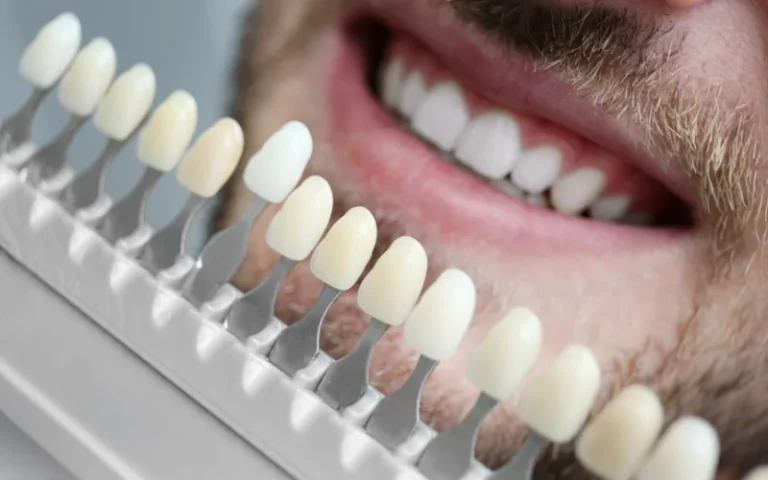
Temporary vs. Permanent Teeth Coverings: Which is Right for You?
Temporary tooth covers are usually removable and are placed over the teeth to create a quick cosmetic change. Some people choose them for a wedding, a photoshoot, or a short-term confidence boost, but they often feel bulkier than expected and do not feel like a natural part of the smile.
Permanent options work very differently. Veneers and crowns are designed around your teeth, your bite, and the way your smile looks when you speak or laugh.
That is why they often feel more natural, look more lifelike, and are more practical in everyday life. In general, if you are looking for the best teeth covers for everyday wear and comfort, then professionally made treatment is the option that will feel less like a cover and more like your own teeth.
Satisfied Patient Reviews
EXCELLENTTrustindex verifies that the original source of the review is Google. Service impeccable. Je suis venue pour des implants. La prise en charge a été rapide et la douleur pendant et après l’opération a été à peine ressentie. Clinique très professionnelle et chirurgien expert. Personnel très accueillant, en particulier la Directrice. Recommande à tous ceux qui sont à la recherche de professionnels pour régler des problèmes dentaires Suis venue finaliser la pose des implants et des couronnes. Résultat impécable!Posted onTrustindex verifies that the original source of the review is Google. I visited from England and had a positive experience. I went for a Hollywood Smile look and couldn’t be happier with them. The clinic was very aesthetic & clean, the staff were very attentive and supportive & I high recommend them.Posted onTrustindex verifies that the original source of the review is Google. İmplantlarımı ve zirkyonyumlarımı yaptırdım 2 sene önce iyiki yaptırmışım çok memnunum doktorum emrah hoca işinde çok iyi birisi tüm çalışanlara çok teşekkür ediyorum güler yüzlü anlayışları için gülşah hanıma ayriyetten teşekkür ederim 🌹Posted onTrustindex verifies that the original source of the review is Google. Çok güzel ve güveninirPosted onTrustindex verifies that the original source of the review is Google. Friendly and approachable staff, above all I haven’t experienced any pain what so ever, it does truly shows core professionalism. Coming from Wolverhampton, UK and made implant surgery with sinuslifting Gedi JafarPosted onTrustindex verifies that the original source of the review is Google. Ik Marco, hebt mijn gebit laten doen bij Avangart.. En ben door lieve mensen goed ontvangen en behandeld.. Kliniek zeer hygienisch en goede apparatuur.. Deze kliniek zo ik zeker aanraden om je laten behandelen..😁Posted onTrustindex verifies that the original source of the review is Google. I traveled from the U.S. and had Avantgart Clinic positively transform my smile in a manner that I wouldn’t have conceived as being possible. Dr. Egemen, a true master in his field, was patient, considerate, and communicative throughout the process and his assistant, Sevim, was a real joy to work with. Together, the two of them combined to make the overall experience much greater than I could have ever hoped for, and the end result is a smile that is on par with the most glamorous of Hollywood stars. I am extremely satisfied and would highly recommend Avangart Clinic to anyone looking to enhance their smile at a great price and of the highest quality.Posted onTrustindex verifies that the original source of the review is Google. Herkes mükemmel ıscılık mükemmel teşekkür edıyorumPosted onTrustindex verifies that the original source of the review is Google. Emrah bey‘in diş konusundaki tecrübesi, güler yüzü ve uzmanlığı nedeniyle diş tedavilerim için her seferinde Avusturya‘dan İstanbul’a gelmekteyim. Diş kliniği de son teknolojik donanıma sahip güven verici muayenehaneler içermekte.Posted onTrustindex verifies that the original source of the review is Google. Güler yüzlü ekip, temiz ve modern bir klinik. Tedavi sürecim baştan sona çok profesyoneldi. Gönül rahatlığıyla tavsiye ederim.Verified by TrustindexTrustindex verified badge is the Universal Symbol of Trust. Only the greatest companies can get the verified badge who has a review score above 4.5, based on customer reviews over the past 12 months. Read more
Types of Permanent Teeth Covers (Professional Cosmetic Dentistry)
When people talk about permanent tooth covers, they are usually referring to clinical treatments that are designed, shaped, and fitted around the tooth itself. These are not one-size-fits-all products. Each option solves a different kind of problem, so the right choice depends on whether the issue is mainly cosmetic, structural, or a bit of both.
The main professional options are veneers, crowns, no-prep veneers such as Lumineers, and composite bonding. Some are better for refining the front of a healthy tooth, while others are used when the tooth has already been weakened and needs more protection, as well as a better appearance.
| Clinical option | Main material | Coverage | Primary indication | Typical longevity* |
|---|---|---|---|---|
| Composite Bonding | Tooth-coloured composite resin | Adds material directly to the tooth | Best for small chips, minor cracks, worn corners, slight gaps, and modest reshaping where the tooth is otherwise healthy and only limited correction is needed | Around 3–10 years |
| Porcelain Veneers | Ceramic / porcelain | Covers the front surface of the tooth | Best for front teeth with deep staining that does not respond to whitening, small gaps, chips, shape irregularities, or visible wear when the tooth is structurally sound | About 5–15 years |
| No-Prep / Minimally Prep Porcelain Veneers | Ultra-thin porcelain | Covers the front surface with little or no tooth reduction in selected cases | Best for small cosmetic refinements where teeth are already fairly well aligned, not overly prominent, and there is enough enamel for predictable bonding | Typically around 5–10 years in well-selected cases |
| Full-Coverage Crown (E-max / Lithium Disilicate) | Glass-ceramic | Covers the entire visible tooth | Best when the tooth needs full coverage plus a highly aesthetic result, especially after large fillings, fractures, or root canal treatment, provided the case is suitable for this material | Typically falls within the general crown range of 5–15 years |
| Full-Coverage Crown (Zirconia) | Zirconia ceramic | Covers the entire visible tooth | Best when the tooth needs full protection with higher strength, especially in heavier-bite or posterior situations where durability matters more than ultra-fine translucency | Typically falls within the general crown range of 5–15 years |
1. Porcelain Veneers (The Gold Standard)
Porcelain veneers cover the front surface of the tooth rather than wrapping around the whole tooth. That makes them a strong option when the shape, colour, or visible front edge is the main concern, especially in the smile zone.
They are often chosen for teeth with deep staining, small gaps, worn edges, or chips that affect the look of the smile. Because porcelain reflects light in a similar way to natural enamel, well-made veneers tend to look bright without looking flat or artificial.
They are also known for holding their colour well over time. For patients who want a polished, long-lasting improvement in the appearance of their front teeth, veneers are often one of the most trusted options.
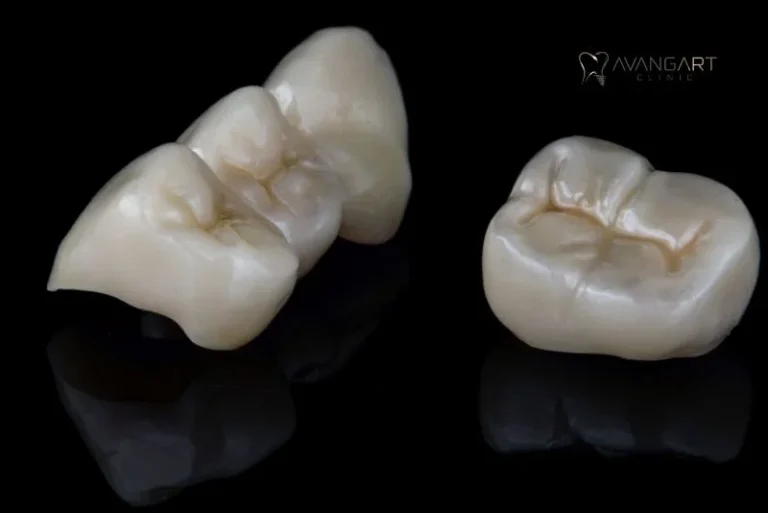
2. Dental Crowns (Full Tooth Covering)
Dental crowns are different because they cover the entire visible part of the tooth. They are usually recommended when a tooth is not only unattractive, but also too weak, heavily restored, or damaged to rely on a more conservative cosmetic option.
This might be the case after a root canal, a large filling, a fracture, or advanced decay that has already taken away too much natural structure. In those situations, a crown does more than improve appearance. It helps protect the tooth and restore strength at the same time.
3. Lumineers (No-Prep Veneers)
Lumineers are ultra-thin veneers that require little or no removal of the enamel. They are generally considered by patients who prefer a more conservative approach and whose teeth are already in the correct shape and position.
Generally, they work best when the changes are minor, such as improving small spaces, smoothing out slight unevenness, or enhancing colour without greatly changing the size or position of the teeth. If someone wants a fresher, more even smile but does not need major reshaping, this option can be worth discussing.
That said, no-prep does not mean no planning. The teeth still need to be assessed carefully, because ultra-thin veneers are not right for every bite, every tooth shape, or every cosmetic goal. The best candidates are usually those looking for modest, natural-looking enhancement rather than a major smile redesign.
4. Composite Bonding (Resin Covering)
Composite bonding is a more direct and budget-friendly way to improve small cosmetic flaws. Instead of placing a laboratory-made shell, the dentist applies tooth-coloured resin directly onto the tooth and shapes it.
This makes it especially useful for small chips, worn corners, slight gaps, or minor unevenness that can be improved without extensive treatment. It is often a good choice for patients who want a visible improvement quickly, especially when only one or two teeth need attention.
Composite bonding is more conservative than many people expect, and it can deliver a very pleasing result in the right case. It is best suited to smaller corrections rather than full smile redesigns, but when used well, it can make a tooth look noticeably cleaner, smoother, and more balanced in a single treatment step.
What About Removable "Snap-On" Teeth Covers?
Removable snap-on teeth covers, sometimes called clip-on veneers, are ready-made or custom-style covers that fit over the front of your existing teeth. We understand why they attract attention. On the surface, they seem like a quick way to hide discoloration, gaps, or uneven teeth without committing to clinical treatment.
The problem is that they are not designed like real dental restorations. Because they sit on top of the natural teeth rather than being bonded and shaped as part of the smile, they can look bulky, feel awkward on the lips, and change the way certain words sound. Patients are often surprised by how easily speech can be affected, especially with “s”, “f”, and “th” sounds.
There is also a hygiene issue that should not be ignored. If a removable cover does not fit precisely, it can create spaces where plaque, food debris, and bacteria collect against the teeth and gum line. Over time, that can make the mouth feel less fresh and may increase the risk of gum irritation if cleaning is not very thorough.
For that reason, snap-on covers should be seen as temporary cosmetic accessories, not long-term dental solutions. They may hide a problem visually for a short time, but they do not correct the tooth underneath, improve bite function, or offer the stable, natural finish people usually want when they are investing in their smile.
How Much Do Teeth Covers Cost?
The cost of teeth covers can vary a lot because the term includes very different treatments. A small composite bonding correction on one tooth will not be priced in the same way as a full set of porcelain veneers. The final cost usually depends on the type of treatment, the material used, the number of teeth involved, and how much planning or lab work is needed.
In most cases, composite bonding is the lowest-cost professional option. It is often used for small chips, light reshaping, or tiny gaps because the material is applied directly to the tooth. Porcelain veneers usually cost more because they are custom-made in a lab and planned in much more detail.
Crowns are often in a different price range because they are used when a tooth needs extra strength as well as a better appearance. The material matters here, too. A porcelain crown, an E-max crown, and a zirconia crown can all fall into different price ranges.
Location also makes a real difference. In Turkey, treatment costs are often lower than in the UK or USA, even for high-quality cosmetic dentistry, which is one reason many patients choose to have smile treatment here. In the UK and USA, fees are typically much higher per tooth, and extras such as consultations or facility charges may be priced separately.
If you are comparing options purely on price, it helps to think in terms of short-term spend versus long-term value:
- Composite bonding is usually the lowest-cost professional option
- Porcelain veneers cost more, but offer strong aesthetics and long-term stain resistance
- Crowns vary by material and are often worth it when a tooth also needs protection
- Snap-on covers may look cheaper upfront, but they are not a like-for-like alternative to clinical treatment
The most useful question is not only “What is the cheapest option?” but “What is the right option for this tooth, and how long do I want the result to last?” That is usually where the real value becomes clearer.
Benefits and Risks: What Patients Need to Know
Benefits:
The biggest benefit is often how you feel about your smile afterwards. When teeth look cleaner, more even, and better shaped, people usually stop thinking about how to hide them. Smiling feels easier and more natural.
There are practical benefits too. Porcelain restorations, for example, tend to keep their colour well, so they often stay bright and natural-looking for longer. In the right case, they can also make the smile look more balanced by improving small details like shape, length, and symmetry.
Risks:
It is important to be honest about the downsides as well. Traditional veneers usually involve removing a small amount of enamel, so that step cannot be undone. Some people also notice sensitivity afterwards, especially if their teeth were already a little sensitive before treatment.
Teeth covers are durable, but they are not something you can forget about. Chewing very hard foods, biting nails, or grinding your teeth can put them under stress and shorten their lifespan.
What Patients Should Know Before Choosing
A good result depends on more than how the teeth look on the day they are fitted. Healthy gums, good daily care, and regular dental check-ups all play an important role in how well the result lasts.
The best treatment is not always the most dramatic one. It is the one that suits your teeth, your bite, and the kind of result you want to live with comfortably over time.
Are You a Good Candidate for Permanent Teeth Covers?
Permanent tooth covers are a good option when the teeth underneath are healthy enough to support them. The smile needs a solid foundation before any cosmetic work begins.
You may be a good candidate if:
- Your gums are healthy and do not bleed or feel inflamed
- You do not have untreated cavities or an active infection
- Your teeth are strong enough to support veneers or crowns
- Your bite is reasonably stable
- You are willing to look after the result with good daily care
You may need treatment first, or a different option, if:
- You have active gum disease
- You have untreated tooth decay
- You grind or clench your teeth heavily
- Your bite puts too much pressure on the front teeth
- There is not enough healthy tooth structure for the planned treatment
For example, if a patient wants veneers but has inflamed gums and untreated decay, the cosmetic work should wait. The foundation has to be healthy first. The safest way to know if permanent teeth covers are right for you is to assess the teeth, gums, and bite together, not just the part of the smile you want to change.
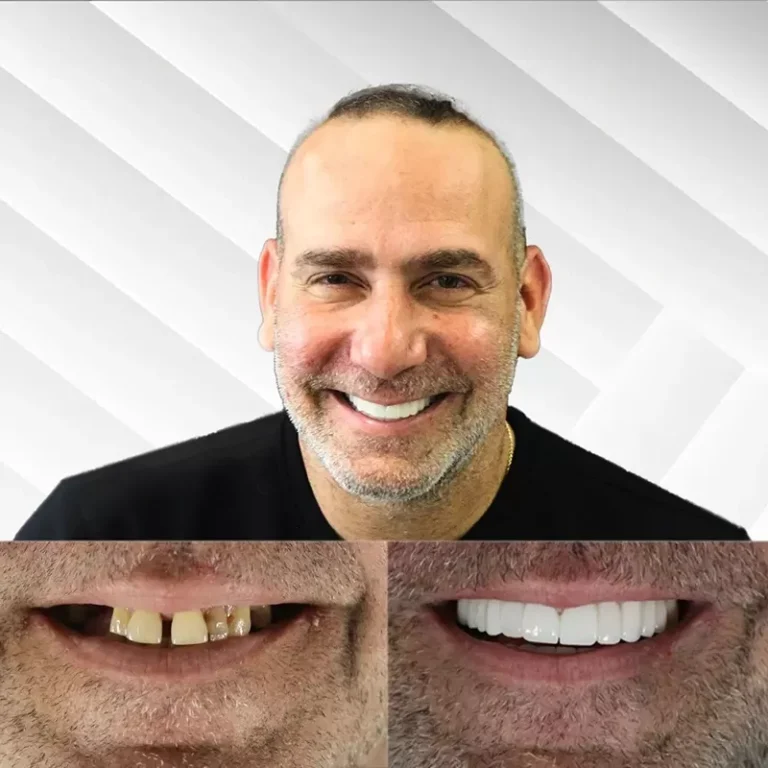
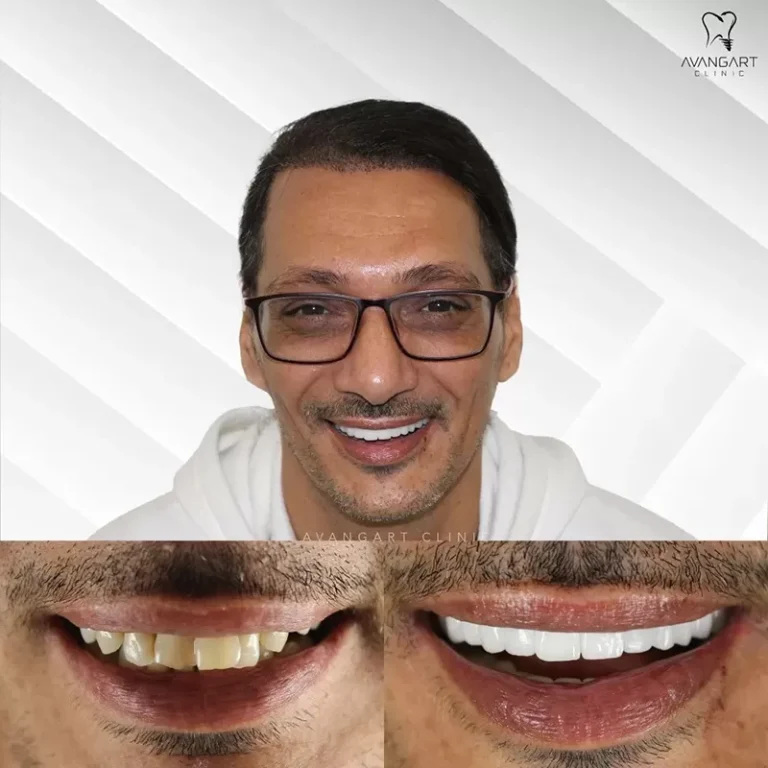
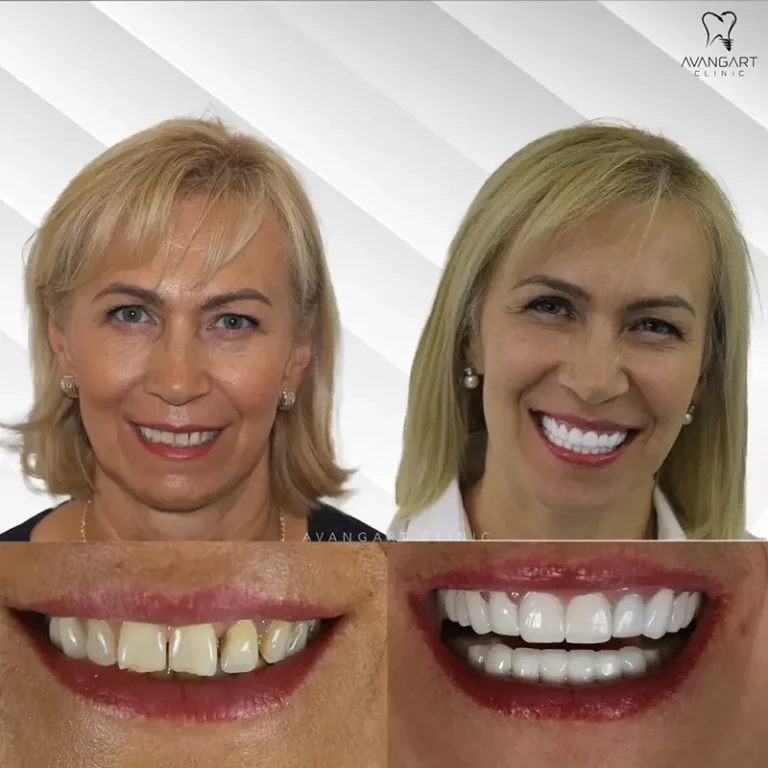
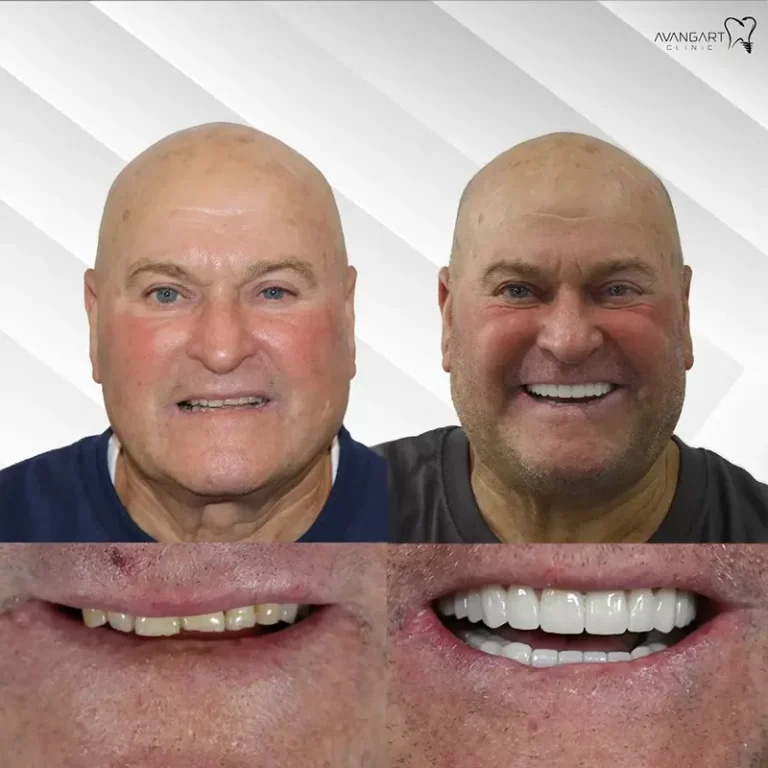
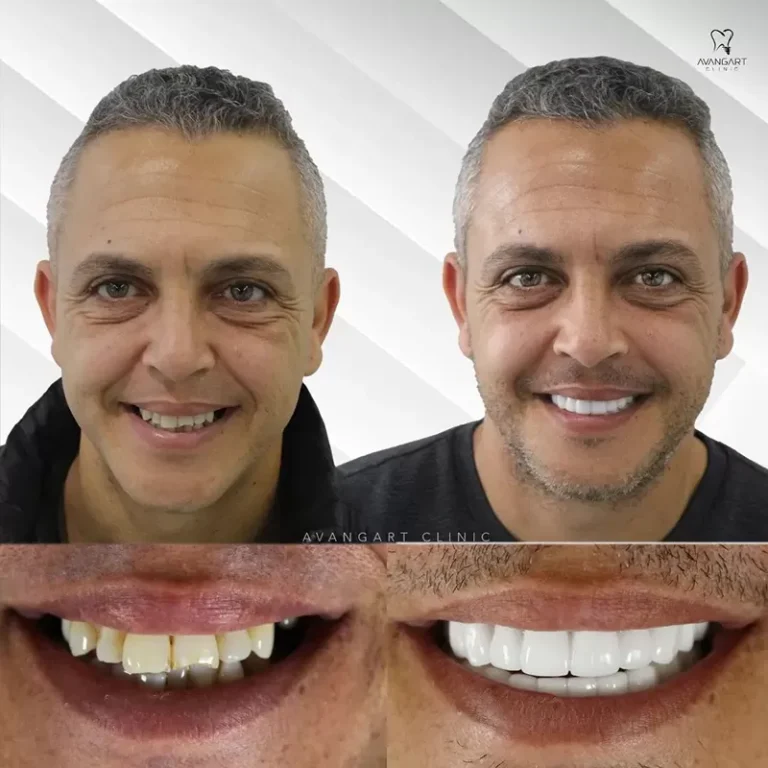
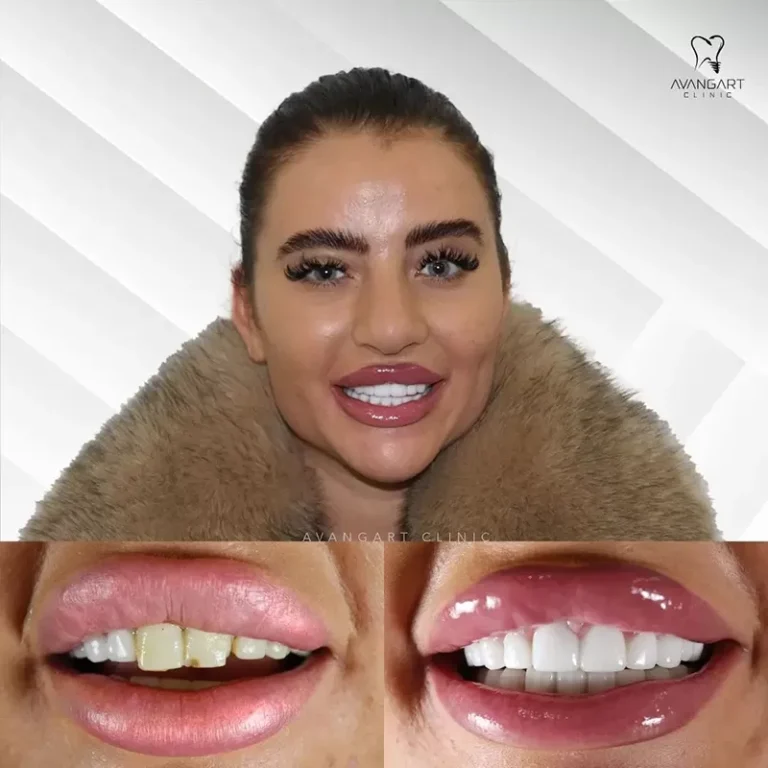
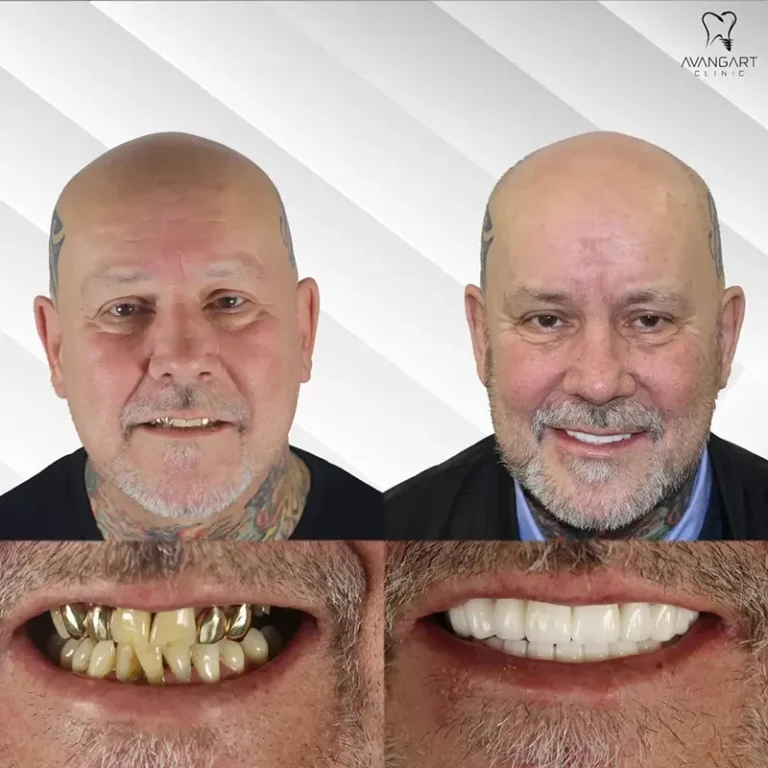
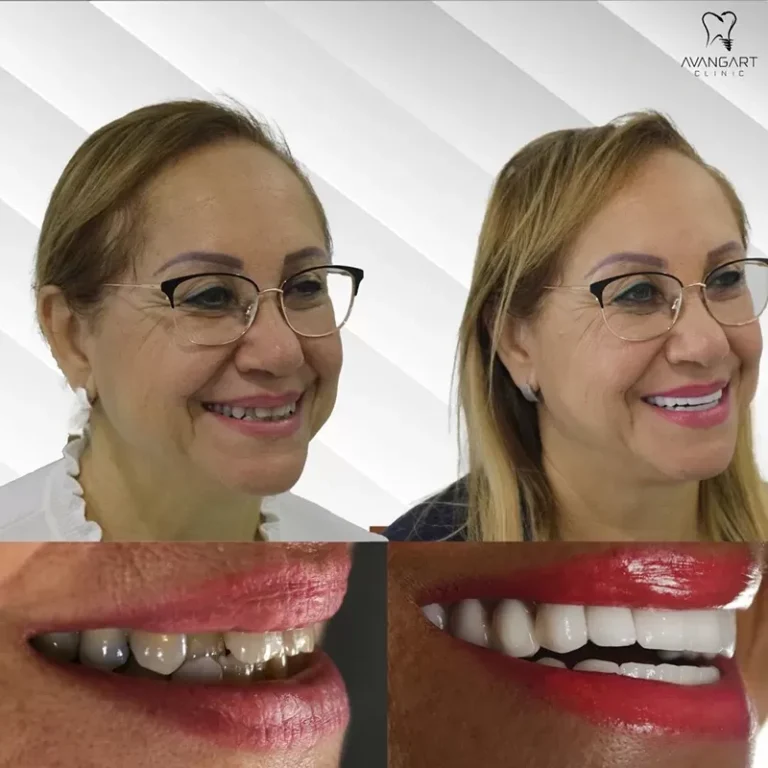
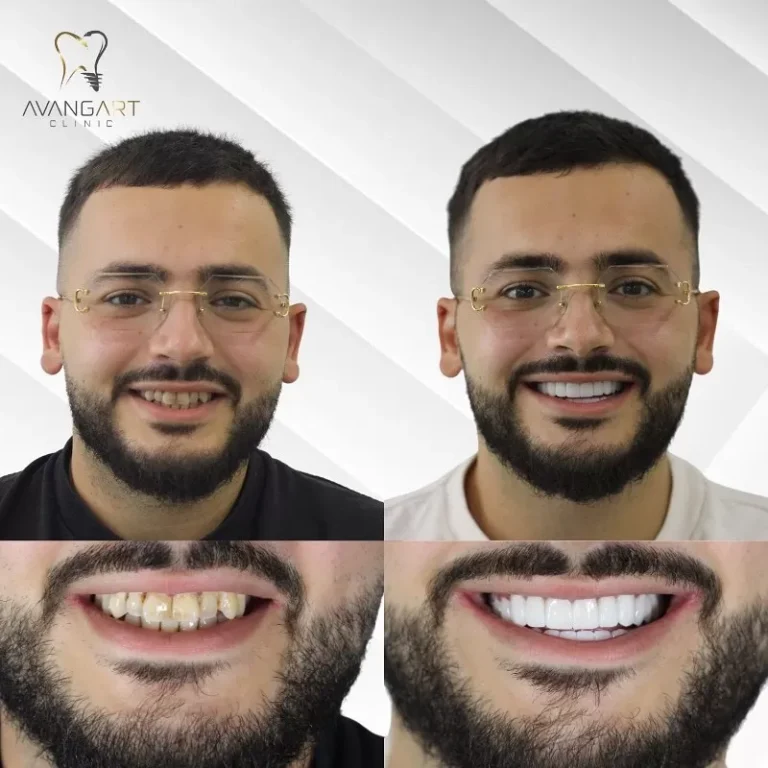
Before and After: Transformative Results with Avangart Clinic
We carry out all our dental treatments with care and strive to give your smile an elegant appearance.
FAQs
Not when they are planned properly. Some options, such as traditional veneers, do involve removing a small amount of enamel, so the change is permanent. That does not mean the teeth are ruined. When the treatment is planned carefully, the goal is to improve the appearance of the tooth while preserving its strength and function.
Usually, yes. With professionally fitted permanent coverings, most people can eat normally once they have adjusted. That said, common sense still matters. Eating very hard foods, chewing ice, or using your teeth to open packaging can damage cosmetic work and shorten how long it lasts.
Porcelain restorations can last many years when they are properly cared for. In many cases, patients enjoy them for 10 to 15 years or longer. Lifespan depends on bite pressure, oral hygiene, grinding habits, and how well the teeth and gums are maintained.
Only as a very short-term stopgap, and even then, it is better to think of it as protection rather than a real “cap.” In practice, a true DIY cap is hard to fit properly, so it can feel awkward, trap debris, or irritate the tooth further. If part of the tooth has broken off, keep that piece in milk or saliva and bring it to your dentist, because in some cases it can be reattached.
A safer approach is to avoid chewing on that side, keep the area clean with a gentle warm-water rinse, and arrange a dental visit promptly. That gives the tooth the best chance of being assessed properly instead of being made harder to treat by a poor temporary fix.
Start with simple first aid. Rinse your mouth gently with warm water, and if your face is swelling, use a cold compress on the outside of the cheek. If a fragment broke off, store it in milk or saliva and take it with you to the appointment.
Protect the tooth from more damage until you are seen. Eat softer foods, chew on the other side, and avoid testing the tooth to “see if it still hurts.” Even when the pain seems mild, dental injuries should still be checked quickly because early treatment gives the best chance of saving the tooth and avoiding bigger problems later.
If you have severe pain, uncontrolled bleeding, major swelling, or you think the injury involves more than the tooth itself, seek prompt dental or medical attention rather than waiting to see if it improves.
Yes, sometimes it can. Dentists often use temporary materials or a temporary crown as an interim step, especially when a tooth needs protection while the final restoration is being planned or made. The goal is not to create the finished cosmetic result on day one, but to keep the tooth protected and comfortable in the meantime.
This is why two patients with what looks like the same “broken tooth” may be managed differently. One person may only need short-term protection before a final repair, while another may need the tooth stabilised first and then reviewed again once the dentist has checked the crack pattern, sensitivity, and bite.
Transform Your Smile Safely at Avangart Clinic
Choosing the right teeth covering is rarely just about picking the most attractive option on paper. At Avangart Clinic, we look at how the result will sit within your smile, how it will feel in daily life, and whether it matches the changes you actually want to make.
Some patients come to us wanting a brighter look, then realise their real concern is shape or balance rather than colour alone. Others think they need a full cosmetic change, but after a consultation, they find that a more conservative option may suit them better.
That is why we always recommend professional guidance before you decide. A short consultation can help you avoid choosing a treatment that looks right in photos but is not optimal for your teeth, your bite, or your expectations.
If you are unsure where to start, we can talk it through with you. You can book a virtual consultation if you are planning from abroad, or visit us in person in Istanbul if you would prefer a face-to-face assessment.
To speak with us directly or request your consultation:
- Telephone: +90 212 211 82 11
- WhatsApp: +90 542 146 82 11
When you reach out, we can help you discuss your smile goals clearly and decide on the next step with more confidence. Sometimes the most valuable part of the process is simply understanding which option is truly right for you before any treatment begins.